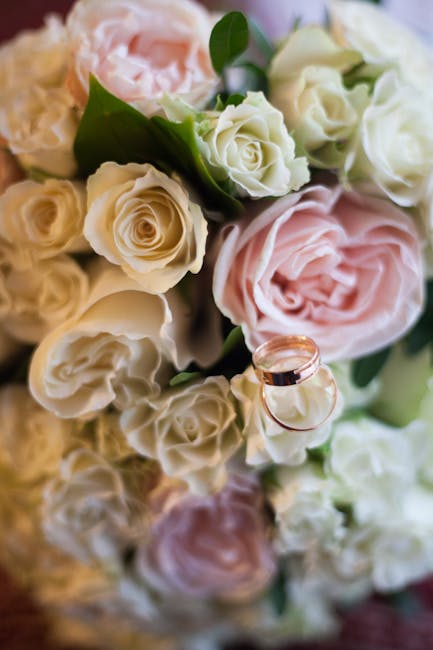
Wedding flowers supplier for Palmers Green and Bowes Park
Posted on 04/10/2026
Planning a wedding in North London can feel wonderfully exciting and mildly chaotic at the same time. One minute you are choosing vows and venues, the next you are trying to decide whether the bridal bouquet should feel soft and romantic or neat and modern. If you are looking for a Wedding flowers supplier for Palmers Green and Bowes Park, the good news is that the right florist can make the whole process far calmer, more personal, and a lot more beautiful than most couples expect.
Wedding flowers do more than fill a room with colour. They set the tone, carry your style through the day, and help everything feel connected-from the first bouquet photo to the last look at the table arrangements after dinner. In this guide, we will walk through how wedding flower supply works, what to ask, what to avoid, and how to get the best results for your Palmers Green or Bowes Park celebration.
Truth be told, flowers are one of those wedding details that seem simple until you start trying to coordinate them. Then suddenly you realise there are buttonholes, ceremony pieces, bridesmaid bouquets, delivery timing, and a dozen little decisions nobody warned you about. Let's make it straightforward.
Table of Contents
- Why Wedding flowers supplier for Palmers Green and Bowes Park Matters
- How Wedding flowers supplier for Palmers Green and Bowes Park Works
- Key Benefits and Practical Advantages
- Who This Is For and When It Makes Sense
- Step-by-Step Guidance
- Expert Tips for Better Results
- Common Mistakes to Avoid
- Tools, Resources and Recommendations
- Law, Compliance, Standards, or Best Practice
- Options, Methods, or Comparison Table
- Case Study or Real-World Example
- Practical Checklist
- Conclusion
- Frequently Asked Questions
Why Wedding flowers supplier for Palmers Green and Bowes Park Matters
Flowers may be one part of your wedding, but they quietly influence the whole atmosphere. A good wedding flower supplier helps shape the mood before your guests even sit down. Think of the soft arrival moment when bouquets are being carried in, ribbon edges catching the light, the room looking finished instead of half-set. Small thing? Maybe. But those small things are what people remember.
For couples in Palmers Green and Bowes Park, locality matters too. Wedding timings in London can be tight, and deliveries need to be reliable. Roads, parking, and venue access all play a part. A florist who understands the area is better placed to manage setup windows, last-minute tweaks, and the practical reality of working in busy North London. That can save you stress on the day, and honestly, stress is not what you want on a wedding morning.
It also matters because wedding flowers need to suit the venue and the season. A grand hotel room, a local community hall, a church ceremony, or a relaxed restaurant reception all need different floral treatment. Some settings want elegant urns and tall arrangements; others feel better with low, simple designs that do not block sightlines or crowd the table. The supplier should be helping you make those decisions, not just selling stems.
Expert summary: The best wedding flower supplier is not simply the one with pretty arrangements. It is the one who understands your venue, your timing, your budget, and your style well enough to make everything feel easy.
How Wedding flowers supplier for Palmers Green and Bowes Park Works
Most wedding flower services follow a fairly familiar process, although the details vary from florist to florist. The best suppliers keep it simple for you. They ask the right questions, guide you through design decisions, and translate your ideas into a workable flower plan.
1. Initial enquiry and style discussion
You usually begin with a conversation about the wedding date, venue, colour palette, guest count, and the main floral items you need. That might include bridal bouquets, bridesmaid bouquets, buttonholes, ceremony pieces, table arrangements, and maybe a few extras such as aisle flowers or a top table display. If you are not sure yet, that is fine. A good florist can help shape the brief.
2. Budget and design direction
Once the essentials are clear, the florist will normally help you work within a budget. This part is more useful than it sounds. Wedding flowers can be tailored up or down depending on stem choice, scale, and how much repetition there is across the day. For example, reusing ceremony flowers at the reception is often a sensible way to stretch value without losing impact.
3. Flower selection and seasonal planning
Flowers are usually chosen with seasonality in mind. Seasonal blooms tend to look fresher and can be more cost-effective, though exact availability can still vary. A florist may suggest roses, lilies, lisianthus, orchids, chrysanthemums, alstroemeria, or mixed stems depending on the look you want. The point is not to cram every fashionable bloom into one bouquet. The point is to create harmony.
4. Production, preparation, and delivery
As the wedding approaches, arrangements are prepared, conditioned, and styled. This is the bit most guests never see. Stems are trimmed, water sources are checked, and delicate pieces are packed carefully. On the day, delivery timing becomes crucial. A reliable supplier will know whether they need to deliver early for church setup, coordinate with a venue manager, or hand bouquets directly to the wedding party.
5. Setup and final checks
If setup is included, the florist may place arrangements on ceremony tables, reception tables, registries, or any other agreed locations. Final checks matter here. Little things like ribbon colour, table placement, and bouquet finishing touches are often what make the whole design feel polished rather than just "done".
Key Benefits and Practical Advantages
Choosing the right wedding flower supplier is partly about beauty, but also about peace of mind. And let's face it, peace of mind is worth a lot when you are juggling a venue schedule, family messages, and a hundred tiny decisions.
- Local reliability: A supplier familiar with Palmers Green and Bowes Park can plan for local access, timing, and delivery conditions more realistically.
- Better coordination: A florist who understands wedding flow can match bouquet delivery, buttonhole timing, and venue setup without unnecessary stress.
- Design consistency: All floral elements can be tied together visually, so the day feels cohesive from the ceremony to the reception.
- Budget control: A professional supplier can suggest where to invest and where to simplify, which helps you avoid overspending in the wrong places.
- Seasonal freshness: Using flowers that are appropriate for the time of year often gives a better result, both visually and practically.
- Reduced waste: Thoughtful planning can mean arrangements are reused, repurposed, or sized sensibly instead of being over-ordered.
There is also an emotional benefit people underestimate. When your flowers match your vision, everything else tends to feel more grounded. The photos look better, the room feels calmer, and you get that lovely moment where it all clicks. That feeling counts.
Who This Is For and When It Makes Sense
This service makes sense for a wide range of couples, not just those planning a large traditional wedding. In fact, smaller weddings can benefit just as much because every detail stands out more when the guest list is compact.
You may be a good fit if you are:
- planning a church wedding and need bouquets, buttonholes, and ceremony flowers;
- hosting a reception in a local venue, restaurant, or private space;
- looking for a florist who can work with a set budget and still create something elegant;
- wanting a classic style, a modern look, or something seasonal and natural;
- trying to coordinate flowers for a mixed cultural or family-led celebration;
- needing delivery to more than one location on the same day.
It also makes sense if you are pressed for time. Wedding planning often starts out full of good intentions and then, well, life happens. You may think you will spend weeks choosing flowers and instead you have three evenings and a lot of screenshots. A good supplier can reduce that overwhelm fast.
If you are still comparing florists, take a look at a local option such as wedding flowers and full ceremony collections or browse the wider range from a local florist in Bowes Park to get a feel for style and presentation.
Step-by-Step Guidance
If you want a smooth process, it helps to treat wedding flowers like a project with a few clear stages. Nothing too corporate. Just organised enough that you do not end up choosing buttonholes at 11:40 pm.
Step 1: Start with the venue and date
The venue affects the flower plan more than many couples expect. High ceilings, low tables, dark interiors, daylight through windows, or a ceremony in a smaller room all change what will look right. The wedding date matters too because seasonality can influence availability and price.
Step 2: Decide your key pieces
Focus first on the core items: bridal bouquet, bridesmaid bouquets, buttonholes, ceremony flowers, and table arrangements. Once those are set, you can add extras if the budget and style call for them. This approach prevents the design from becoming scattered.
Step 3: Pick a colour mood, not just colours
There is a difference between saying "white and green" and saying "soft, airy, garden-like white and green with a calm finish". The second one gives the florist real direction. Mood helps more than random Pinterest chasing. A lot more.
Step 4: Match flowers to the structure of the day
Ask where flowers will be seen most. The bouquet is intimate. Ceremony flowers are for impact. Table arrangements are for atmosphere. Buttonholes are small, but they show up in a lot of photos. Once you understand that, decisions get easier.
Step 5: Confirm delivery and setup details
Be specific about access times, contact names, venue restrictions, and where each item should go. If there is a bride's room, a side entrance, or a separate ceremony space, say so early. A few clear notes can prevent a last-minute scramble.
Step 6: Review the final plan in writing
Even if you have spoken by phone, make sure the agreed designs and quantities are written down. It keeps everyone on the same page. Small misunderstanding? Avoided. Awkward surprise on the day? Also avoided.
Expert Tips for Better Results
Here are the things that tend to make the biggest difference in real weddings, the unglamorous but useful bits.
- Choose one or two statement elements. A striking bridal bouquet plus elegant table arrangements often looks better than trying to make every item dramatic.
- Think about scale. Big blooms can overpower a small venue. Tiny arrangements can disappear in a large hall. Balance matters.
- Use texture wisely. Roses, lisianthus, alstroemeria, orchids, and chrysanthemums each bring a different feel. Texture adds richness without needing more colour.
- Ask what can be reused. Ceremony flowers can often move to the reception. That is a practical little win.
- Keep transport in mind. Bouquets need space, water where appropriate, and careful handling. They are not a handbag accessory, even if they sometimes get treated like one.
- Consider the weather. Warm rooms and summer days can affect delicate flowers. Good planning helps the arrangements last better through the day.
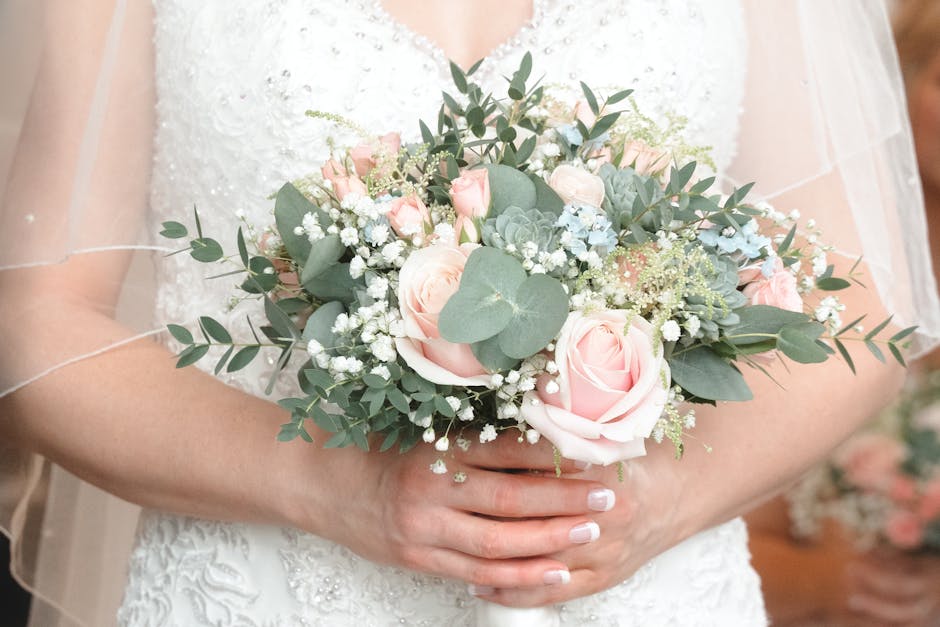
One useful trick is to share a photo of your outfit, not just your colour palette. The dress shape, fabric texture, and overall style can help the florist choose bouquet proportions that feel right. That tiny detail makes a surprisingly big difference.
If you want something polished but easy to coordinate, collections like a coordinated wedding collection or a bespoke bridal bouquet design can keep the whole look consistent without overcomplicating things.
Common Mistakes to Avoid
Most flower problems are avoidable, which is the good news. The less good news is that couples often only realise the mistake once the flowers are already on the way. So, a bit of caution here pays off.
Leaving floral decisions too late
Popular dates can book up, and some flower choices are easier to source than others. Leaving things until the last minute can limit both design flexibility and availability.
Ignoring the venue layout
Beautiful arrangements can still look wrong if they block sightlines, clash with table sizes, or overwhelm the space. The room should breathe.
Overloading the brief
More is not always better. If you request too many styles, too many colours, or too many focal points, the final look can lose clarity. Simpler is often stronger.
Not clarifying delivery timing
Wedding-day logistics can be fiddly. A supplier needs to know when the bride is arriving, when guests are seated, and when the venue is ready. Guesswork is not your friend here.
Forgetting practical details
Will the bouquet be carried for several hours? Will buttonholes need pins or magnets? Will flowers sit in a warm marquee? These little details matter more than people think. A lot more, actually.
Choosing flowers only for appearance
Some blooms are more delicate than others. Some work better in certain weather. Some are brilliant for photos but less suited to a full day of handling. The right florist should steer you on this, gently but firmly.
Tools, Resources and Recommendations
You do not need a complicated toolkit to plan wedding flowers well. A few simple resources can make the process much easier.
- Venue photographs: Even a phone picture of the room helps with scale and style decisions.
- Dress or suit details: A fabric sample, colour reference, or outfit photo can guide bouquet design.
- Guest list and table plan: This helps with the number and size of table arrangements.
- Timing notes: Write down ceremony time, access windows, and any setup restrictions.
- Style references: Gather a small set of images that show the same mood, not a random pile of ideas.
If you are still deciding on presentation style, browsing bridal bouquets, bridesmaid bouquets, buttonholes, and table arrangements can help you compare the main parts of the design before you commit.
For day-to-day flower care once arrangements arrive, a quick look at the florist's flower care guidance can be useful too. It sounds minor, but a properly cared-for bouquet tends to hold its shape and freshness better, especially during a long wedding day.
Law, Compliance, Standards, or Best Practice
Wedding flowers are not heavily regulated in the way some industries are, but good practice still matters. In the UK, reputable florists are expected to handle orders clearly, protect customer data properly, and deliver goods in line with the agreed terms. That means transparent communication, sensible substitutions where needed, and fair handling if something goes wrong.
It is also best practice for a florist to be clear about delivery arrangements, payment terms, cancellations, and any conditions that affect fresh goods. Wedding flowers are perishable and time-sensitive, so the booking terms matter more than they might for a standard gift bouquet.
From a practical standpoint, you should expect:
- clear written order details;
- realistic advice about seasonal availability;
- honest guidance if a requested flower is unlikely to perform well;
- careful handling of personal information and event details;
- reasonable communication about delivery and setup.
If sustainability matters to you, ask about sourcing and waste reduction as part of the planning conversation. A florist's sustainability approach can be part of that discussion, especially if you want the wedding to feel thoughtful as well as beautiful.
You can also review important pages like terms and conditions, delivery information, returns and refund details, and the guarantees page before confirming anything. That kind of reading is not glamorous, I know, but it is smart.
Options, Methods, or Comparison Table
Couples usually choose between a few broad approaches. None is perfect for everyone. The best option depends on budget, venue style, and how involved you want the florist to be.
| Approach | Best for | Strengths | Trade-offs |
|---|---|---|---|
| Ready-made wedding collections | Couples who want a coordinated look quickly | Simple to choose, visually consistent, efficient to plan | Less flexible if you want a very specific custom design |
| Fully bespoke floral design | Couples with a clear vision or unusual venue needs | Highly tailored, more creative freedom, can suit complex themes | Needs more discussion and usually more planning time |
| Minimal essential package | Smaller weddings or tighter budgets | Focused on core items, easier to manage, practical | Fewer decorative extras and less visual coverage |
| Mixed approach | Couples who want impact in key spots only | Good balance of value and style, sensible use of budget | Needs careful prioritising so the look stays coherent |
In many Palmers Green and Bowes Park weddings, the mixed approach works well. A strong bridal bouquet, matching bridesmaid pieces, neat buttonholes, and a few table or ceremony flowers can be more effective than trying to cover every surface in the venue. More elegant, usually. Less faff too.
Case Study or Real-World Example
Here is a realistic example based on the kind of wedding brief florists often see in North London.
A couple planning a spring wedding wanted a relaxed but refined look. Their ceremony was in a local place of worship, and the reception followed at a nearby venue with round tables. They liked soft white and blush tones, but they also wanted the flowers to feel natural rather than stiff or overly formal.
The florist suggested a gentle design structure: a bridal bouquet with roses and lisianthus, smaller bridesmaid bouquets that echoed the main look, simple but elegant groom buttonholes, and low table arrangements that would not block conversation. Ceremony flowers were planned so they could later be moved into the reception space. Not a huge production. Just enough to make everything feel intentional.
What worked well was the balance. The couple did not try to have a different style for every part of the day. Instead, the same floral language carried through from ceremony to dinner. Guests noticed the consistency, and the room felt calm as soon as the flowers were in place. The bride said the bouquet felt "exactly right" when she held it, which is honestly one of the nicest feedback moments a florist can hear.
That kind of result is usually not about the most expensive flowers. It is about thoughtful planning, clear communication, and choosing designs that suit the space. Simple, but not simplistic.
Practical Checklist
Use this before confirming your wedding flower order. It keeps the process neat, and it saves a surprising amount of back-and-forth later.
- Have you confirmed the wedding date and venue address?
- Do you know your ceremony time and delivery window?
- Have you listed all required items: bridal bouquet, bridesmaid bouquets, buttonholes, ceremony flowers, and table arrangements?
- Have you chosen your main colour palette or style mood?
- Have you shared dress, suit, or theme details with the florist?
- Do you know whether any flowers will be reused between ceremony and reception?
- Have you checked the venue for access, setup, and parking information?
- Have you asked about seasonal availability and possible substitutions?
- Do you understand the order terms, payment schedule, and cancellation policy?
- Have you saved the florist's contact details for the week of the wedding?
And one more, which people forget all the time: have you planned where the bouquets will go after the ceremony? It sounds tiny. It is not tiny on the day.
Conclusion
Finding a wedding flowers supplier for Palmers Green and Bowes Park is really about finding a partner who can turn your ideas into something beautiful, practical, and calmly managed. The best florist will not overwhelm you with jargon or push you into a design that does not fit. They will listen, simplify, and shape the flowers around your day rather than forcing the day around the flowers.
If you focus on venue fit, seasonal choices, clear communication, and a realistic budget, you will be in a strong position. The result is not just pretty stems in a vase or bouquet. It is the feeling that your celebration has been considered properly, right down to the last buttonhole.
Take your time, ask the awkward questions, and trust your eye. You will know when the floral plan feels right. And when it does, that little moment is lovely.
Get a free quote today and see how much you can save.
Frequently Asked Questions
How far in advance should I book a wedding flower supplier?
It is sensible to book as early as you can, especially for busy wedding seasons. Earlier booking gives you more choice over design, flowers, and delivery timing. If your date is close, it is still worth enquiring, because some florists can work with shorter lead times.
Can I choose seasonal flowers only?
Yes, and many couples do. Seasonal flowers often give a fresher look and can help keep the design practical. A florist can suggest flowers that fit your chosen colour palette while still working well for the time of year.
Do wedding flowers have to match exactly?
No, and they usually should not. A better approach is to keep the flowers within the same family of tones, textures, and overall style. That way the bouquet, buttonholes, and table arrangements feel connected without looking repetitive.
What wedding flowers are most popular for local weddings?
Roses, lilies, lisianthus, orchids, chrysanthemums, and mixed seasonal arrangements are common choices. The best option depends on your style, venue, and budget rather than what is simply popular.
Can ceremony flowers be reused at the reception?
Often, yes. Reusing flowers is a practical way to make the most of your order. Ceremony pedestals, aisle flowers, and pedestal pieces can sometimes be moved into the reception area if the timing and setup allow it.
How do I stay within budget without losing style?
Focus on the most visible items first, then simplify the rest. A strong bridal bouquet, a few matching bouquets or buttonholes, and thoughtful table flowers can look elegant without overextending the budget. A good florist will help with this balance.
What should I bring to my first florist discussion?
Bring your wedding date, venue details, outfit references, colour ideas, and any photos that show the mood you like. You do not need a full floral plan. A few clear references are enough to start the conversation properly.
Will the florist deliver to more than one location?
Many do, though it depends on the order and logistics. If you need flowers delivered to a home address, ceremony venue, and reception venue, mention that early so the supplier can plan the route and timing.
What happens if a flower is unavailable?
A professional florist should discuss suitable alternatives with you. In wedding work, some flexibility is normal because fresh flowers are seasonal and availability can shift. The key is that any substitutions still match the agreed style.
Are wedding flowers different from standard bouquet orders?
Yes. Wedding flowers are more detailed, more time-sensitive, and usually involve several linked items rather than one arrangement. They also need stronger planning around delivery, setup, and presentation across the whole day.
Can I request a more modern or minimalist look?
Absolutely. Wedding flowers do not have to be traditional or oversized. Clean lines, restrained colour, and simple arrangements can look very stylish, especially in contemporary venues or smaller celebrations.
What is the best way to compare florists?
Compare style, reliability, clarity, and how well they understand your venue and budget. If you can, look at examples of bridal bouquets, buttonholes, and table arrangements together rather than judging one picture alone. That gives a much better sense of their work.